
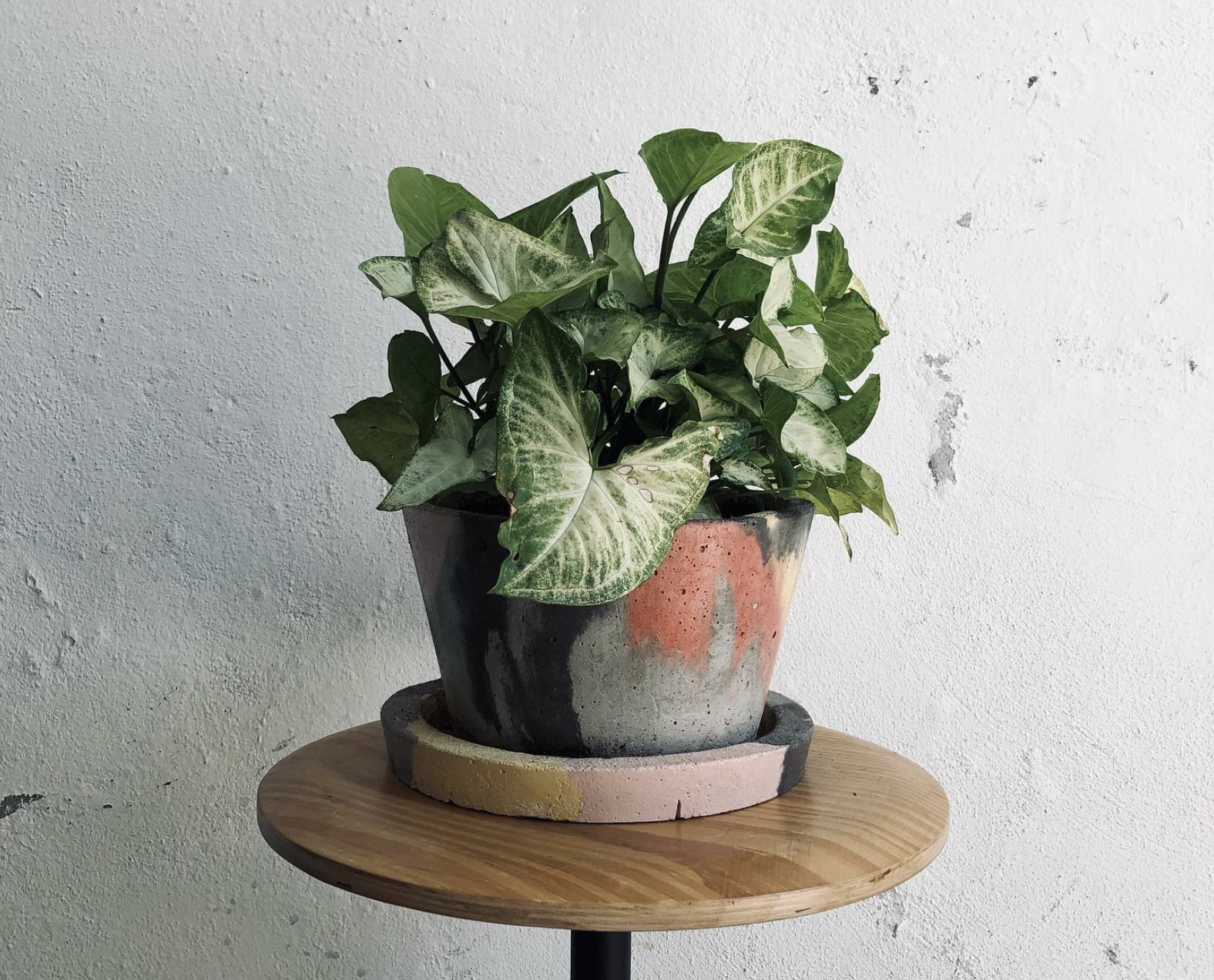
Cement is one of the most widely used materials in the world—it's present in buildings, roads, and also in handcrafted decorative pieces.
But when we talk about sustainability, a very common question arises: can cement be ecological?
The answer isn't simply "yes" or "no." Like almost everything in the world of materials, there are myths, truths, and many factors to consider.
In this article, I will clarify what it really means to use cement more sustainably, especially in crafts and decoration.
🌍 Why does cement have a reputation for not being environmentally friendly?
It's true: traditional cement production has an environmental impact.
The industrial process involves:
- extraction of raw materials (such as limestone)
- high energy consumption
- release of carbon dioxide (CO₂)
Moreover, the cement industry is responsible for a significant portion of global emissions.
👉 Fact: Cement, in its large-scale production, has a significant ecological footprint.
But that doesn't mean all uses are automatically "bad".
✅ MYTHS AND TRUTHS ABOUT CEMENT
❌ Myth 1: “Cement can never be sustainable”
This is one of the biggest misconceptions.
Although cement has an environmental impact, the way it is used can make a big difference.
In handicrafts, for example:
- Much less quantity is used.
- a durable product is created
- disposable mass production is avoided.
👉 Fact: Cement can be part of a more conscious consumption when used in durable, locally made products.
✅ Fact 1: Durability is an ecological factor
A handcrafted cement piece can last for many years — or even decades.
Unlike fragile or disposable objects, cement offers:
- resistance
- longevity
- less need for replacement
🌱 Sustainability also means buying less and better .
👉 A durable part reduces waste in the long run.
❌ Myth 2: "Cement pieces are always polluting"
Not always.
The impact depends heavily on factors such as:
- production scale
- origin of materials
- processes used
- transport
A handcrafted piece made locally with care can have less of an environmental impact than an imported industrial product.
👉 True: local crafts can be a more sustainable alternative.
✅ Fact 2: There are more environmentally friendly cements and mixtures.
The industry has been developing alternatives with a smaller carbon footprint, such as:
- cement with mineral additions
- partial replacement with recycled materials
- low carbon cements
In crafts, many creators also explore mixtures with:
- recycled stone dust
- recycled sand
- natural pigments
👉 Truth: there is innovation and more conscious options on the market.
❌ Myth 3: "Sustainability only means using natural materials"
Many people associate sustainability only with wood, clay, or natural fibers.
But sustainability isn't just about "naturalness."
It is also:
- durability
- local production
- low waste
- reuse
- responsible consumption
A handcrafted cement piece can be more environmentally friendly than a mass-produced, quickly discarded "natural" item.
👉 Sustainability is a set of choices, not a simple label.
✅ Fact 3: Handicrafts reduce waste and promote conscious consumption.
Handmade items have important characteristics:
- They are unique.
- They are produced on a small scale.
- They value local work.
- They prevent excess inventory and industrial waste.
When someone buys a handcrafted item, they are supporting a more humane and slower consumption cycle.
🌿 This is also ecology.
🌱 So… can cement be eco-friendly?
Cement is not a "perfect" material, but it's not the complete villain either.
The truth is:
✅ can be used consciously
✅ It can produce durable and sustainable parts.
✅ It can integrate more responsible consumption.
❌ but it does have an impact on your industrial production
The most important thing is to think about the whole picture: how it's made, how long it lasts, and how it's consumed.
✨ A more sustainable choice starts with pieces that have meaning.
Handcrafted cement decoration can be more than just aesthetic—it can be a way to add value.
- durability
- local production
- conscious consumption
- timeless design
Each handmade piece is a step towards a world with less disposable items and more authenticity.